Recipes · Stories & Journal
Vagabond Series - China, Xin Jiang
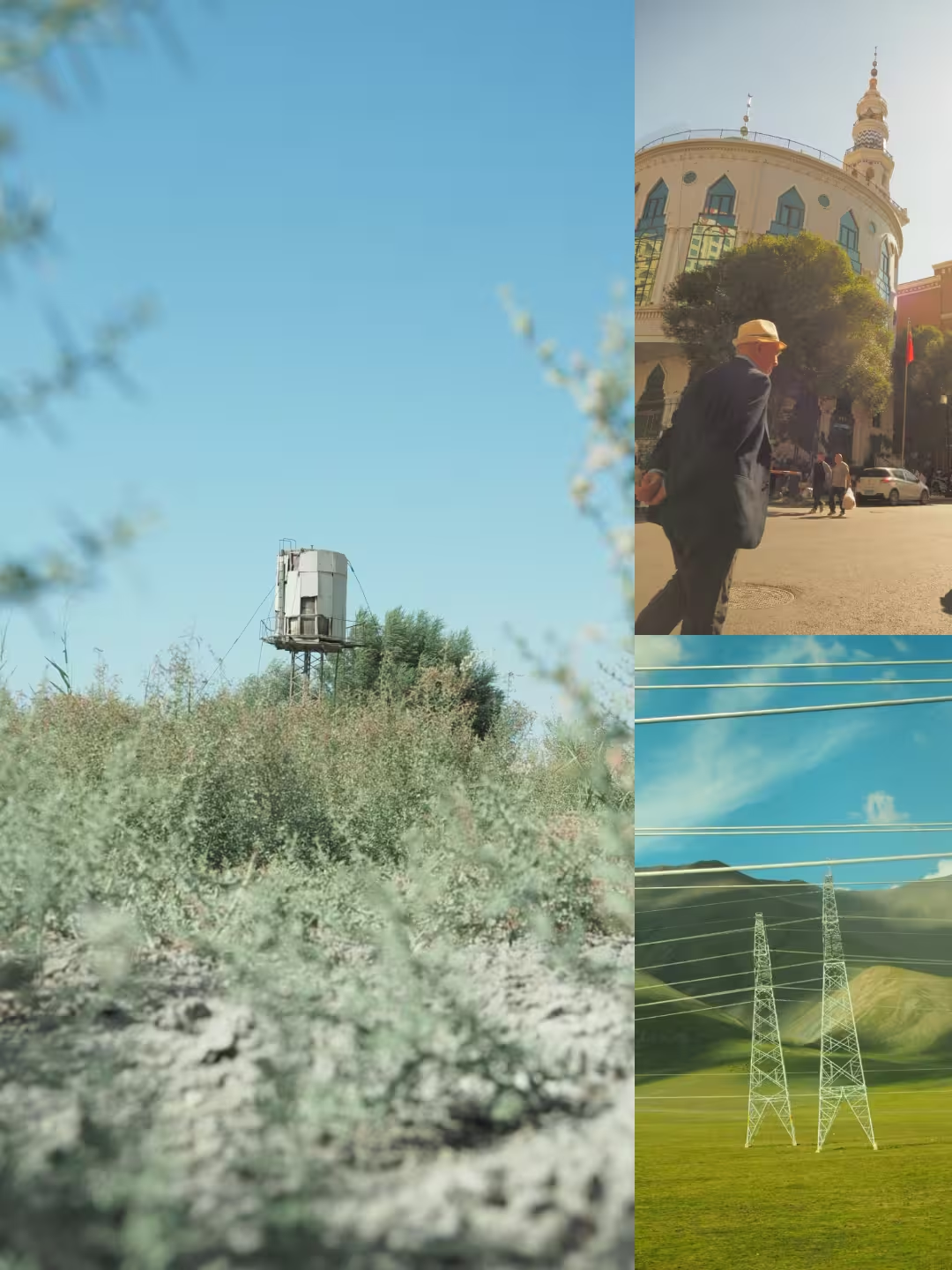
Presets from the road — China, part 2. Every city gets a note like this: the place, the light, and the presets that handled it.
H-Phoenix 200
On the first day of the train journey, not much happens outside the window. The train departed Guangzhou in the afternoon, leaving Guangdong behind via Shaoguan and crossing into Hunan province. By evening, it was rolling past Changsha and Yueyang, the southern hills flattening out into central plains. With the scenery outside feeling a bit monotonous, I found myself looking inward. Between the train carriages, there was a quiet area where the sunshine shot directly through the glass while the world blurred past. It felt exactly like a long-lost journey.
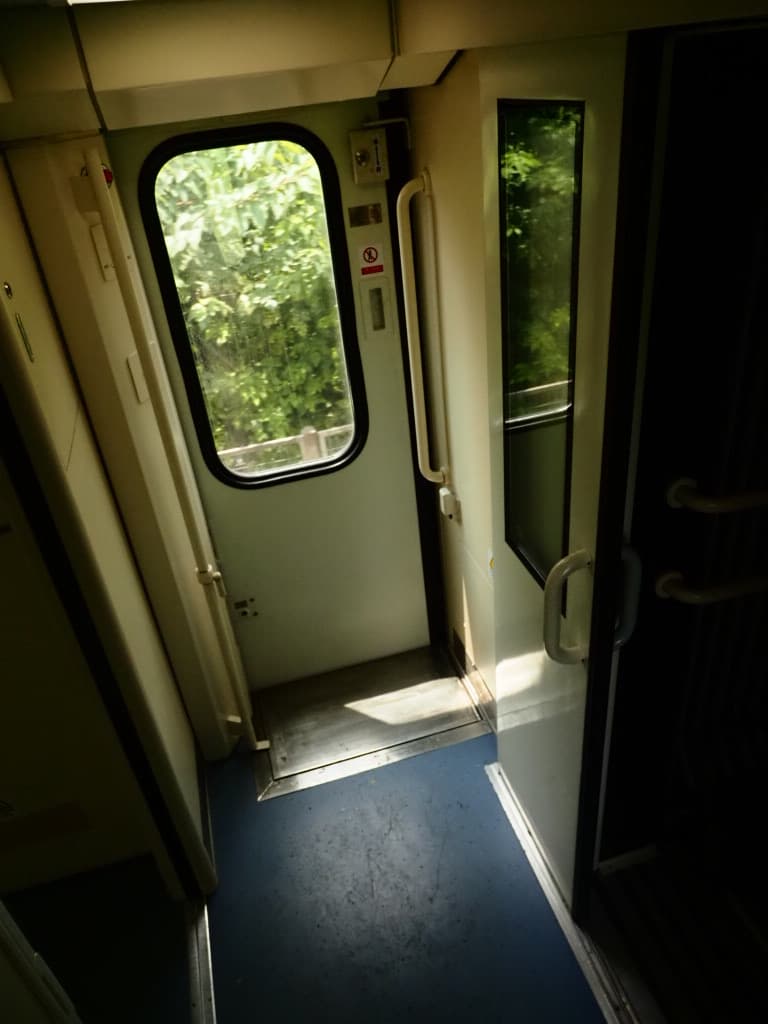
Sunlight hitting the quiet area between train carriages
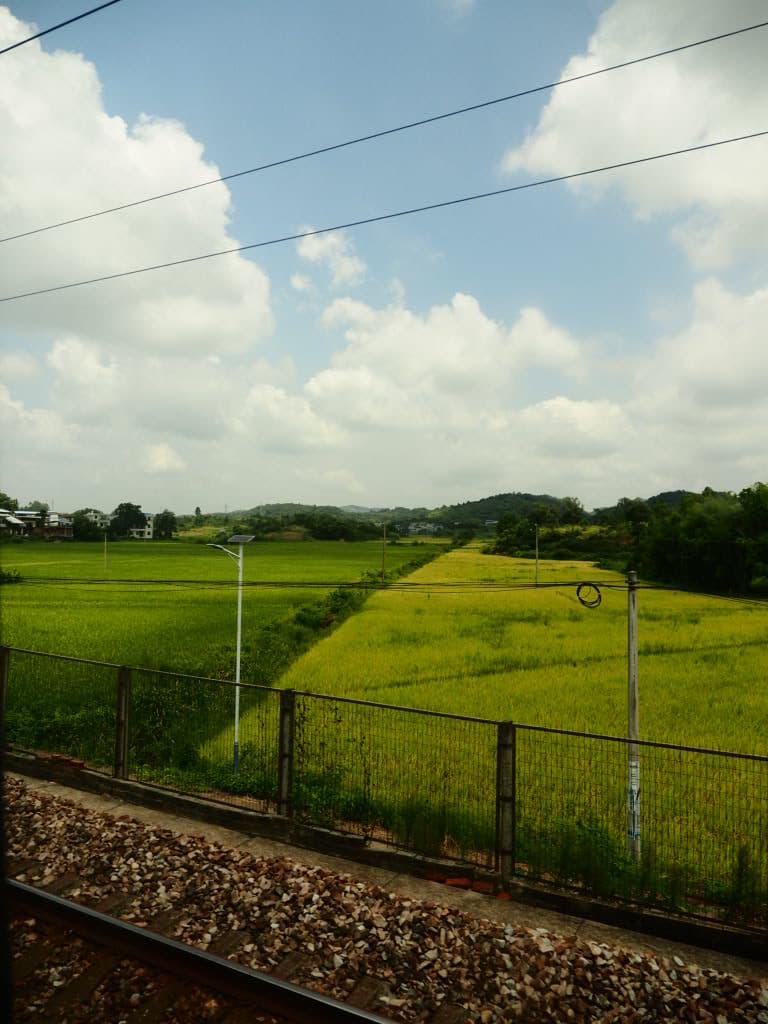
scenery outside from the quiet carriage
I shot that feeling with H-Phoenix 200, a high-contrast, high-saturation recipe. It runs warm overall but pushes a distinct greenish tint into the shadows, giving the inside of the train a cinematic, nostalgic weight.
Good for: Nostalgic indoor spaces, harsh directional sunlight cutting through shadows, capturing a vintage, cinematic mood where contrast is key.
Not for: Soft, flat overcast days where the contrast can feel muddy, or any subject requiring perfectly accurate color representation.
K Ultra Max 400
The second day is the important one. I woke up in Hubei, crossed Henan by morning, and hit Xi'an by midday before the long ascent into the northwest. Around 5 PM, the train finally entered Gansu Province. The classic Hexi Corridor.
Suddenly, huge grasslands and the Qilian Mountains (祁连山脉) stretched out entirely outside the window. It was so beautiful I immediately grabbed my camera. I also met some kids from the Hotan (和田) region of Xinjiang in the carriage—they were incredibly active and curious about the gear. I didn't take many photos of outside scenery, but made a great memory with them. Between that and surviving on four cups of instant noodles over two days, the vagabond feeling was fully setting in.
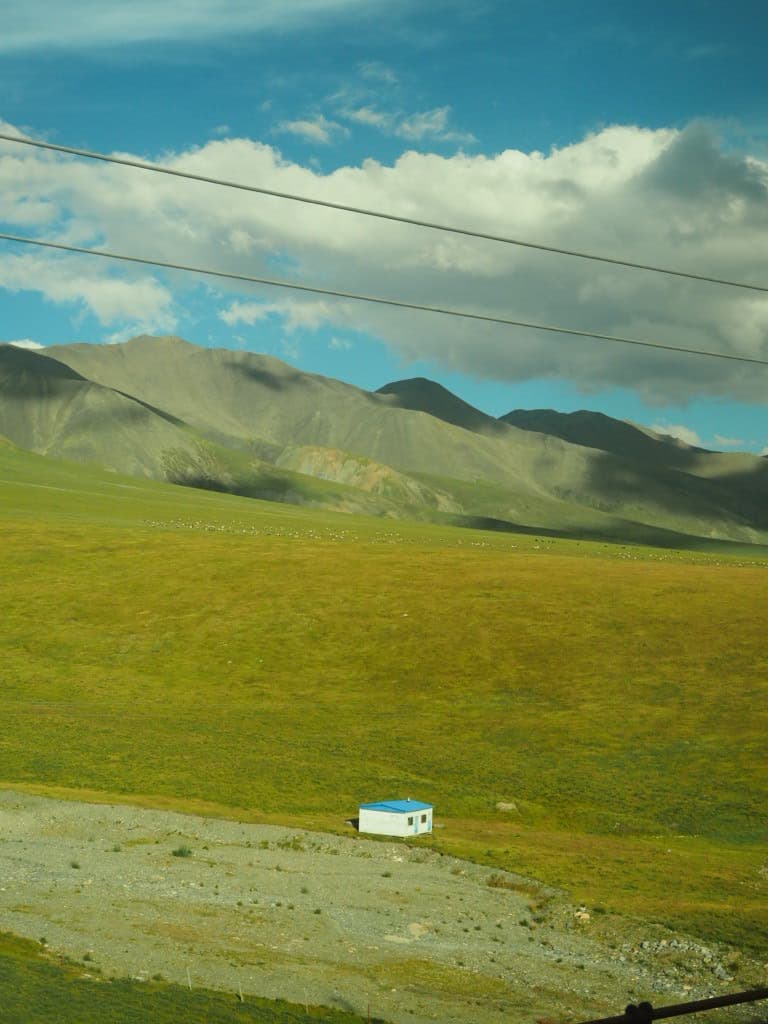
A warm, vintage-looking shot of the natural landscape
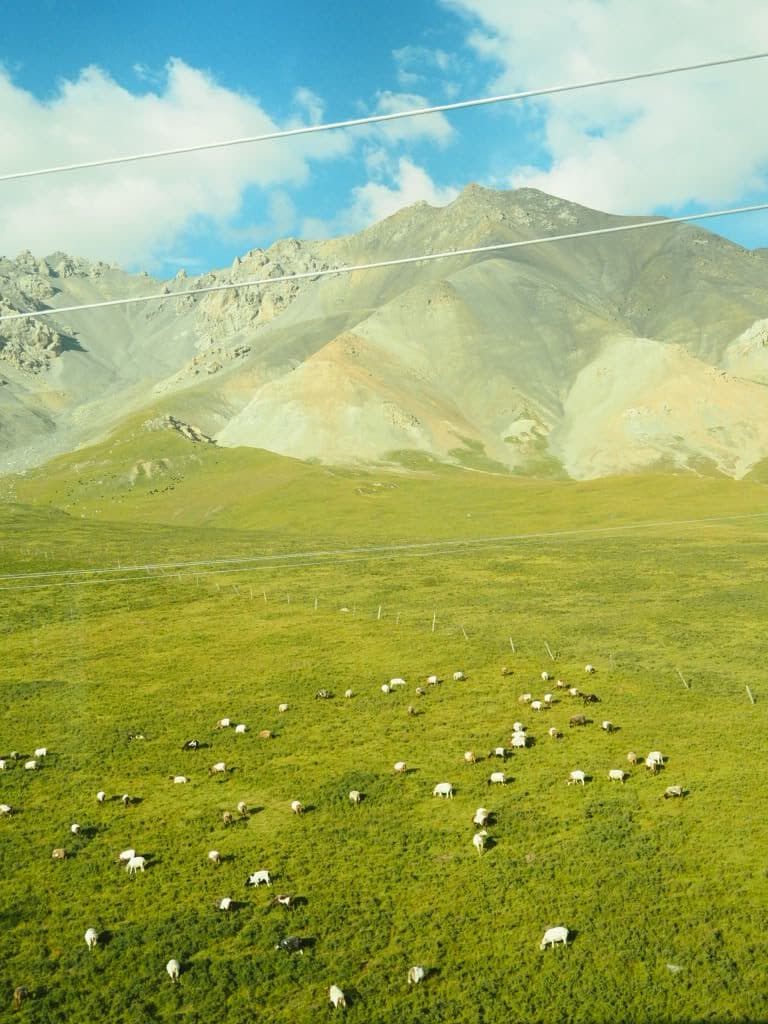
Expansive Gansu grasslands from the train window
For this, I used K Ultra Max 400. It leverages the Color Creator on the Olympus, pushing the hue to lemon green with +2 vividness. This shifts the grass to a slightly yellowish tone, perfectly mimicking old film rather than standard digital green. Because the lemon green can make colder colors look far too warm, I pulled the A-B shift towards blue and the G-M shift towards magenta to naturalize the sky.
Good for: Expansive natural scenery, grasslands, and landscapes needing a warm, retro-film aesthetic without losing the natural blue of the sky.
Not for: Portraits—the lemon green hue and magenta shifts will completely wreck human skin tones.
K-Gold 400
I arrived in Urumqi on the third day and took it easy. I rested at a park, ate some oranges and chips, and made another run to Decathlon for a winter vest (this time, I didn't forget to have the staff cut the tag off).
Things hit a snag with the hostel—it was dirty, and both the lobby and my room smelled heavily of old smoke. It was the day I made a hard rule for the rest of this trip: only booking places with a score of 9.0+ and 50+ reviews.
The next day, however, made up for it. I went to the grand bazaar during a beautiful golden hour
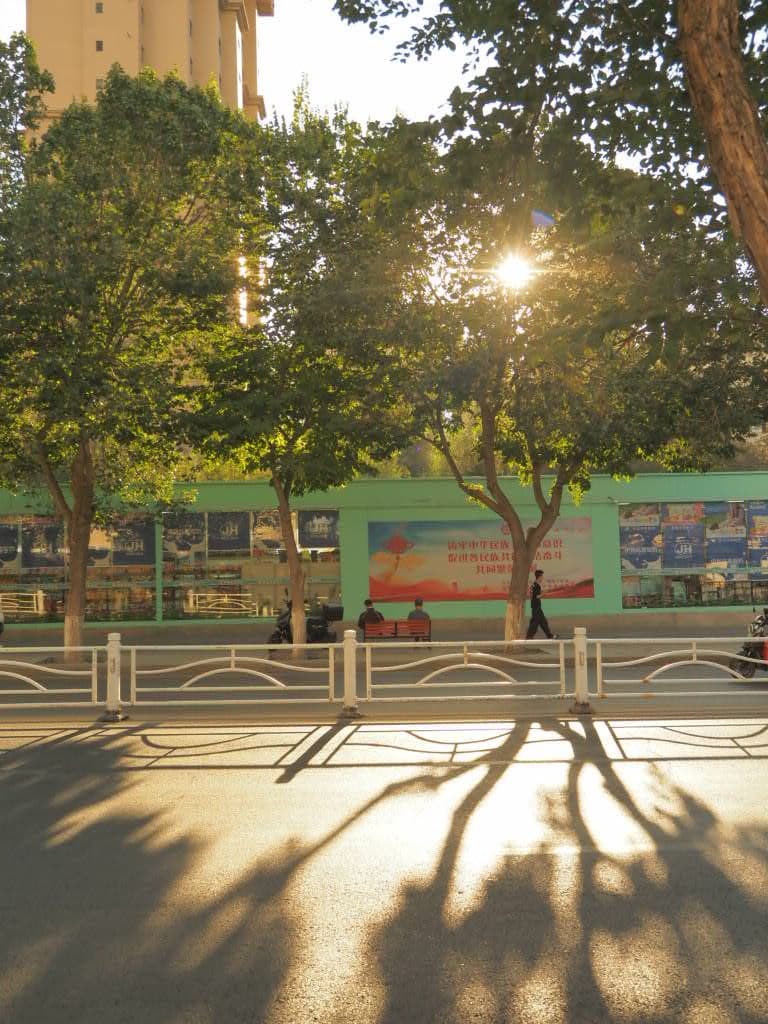
A street scene glowing with warm afternoon sun
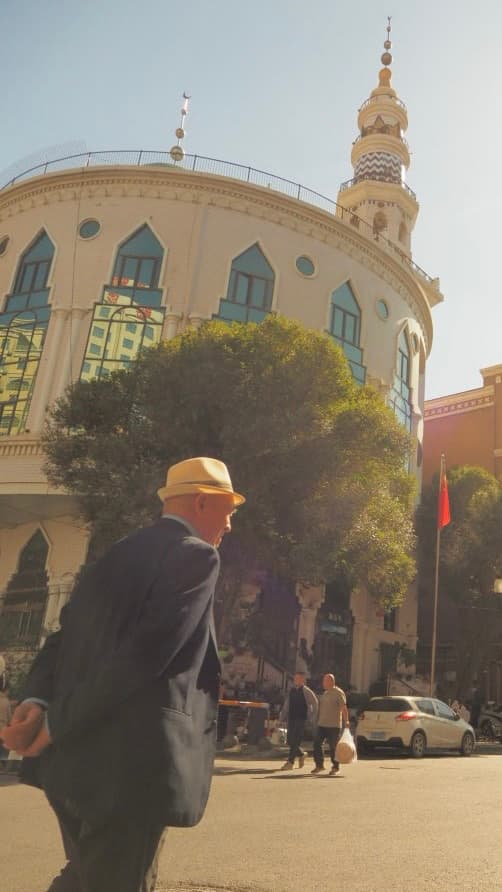
Urumqi Bazaar bathed in golden hour light
I switched to K-Gold 400. Compared to the K-Gold 200 I used in Guangzhou, this one is significantly warmer and more saturated overall. When the sun hits that perfect late-afternoon angle, this recipe catches fire.
Good for: Golden hour light, vibrant bazaars, rich textures, and deep, warm afternoon shadows.
Not for: Midday harsh light, cool indoor environments, or days requiring a muted, subtle color palette.
W Film S
By the time I reached Ili, I had gotten a little sick, so I paced myself—only heading out of the hostel in the mornings and at night. The weather was a cool 16°C.
I took a walk to the Ili River. At first, it was just a normal bridge, but looking down, I spotted something strange: horses, just standing under the concrete. I went down out of curiosity—why would there be horses under a city bridge? As I got closer, the smell of feces hit me. It turned out to be an off-hours resting spot for an entertainment park; when it is open, people ride them and take photos.
It made me a bit sad. They were just trapped there in the shadows. I don't know if they would be in danger in the wild, but in that moment, seeing them under the concrete, it felt like a scene stripped of its color.
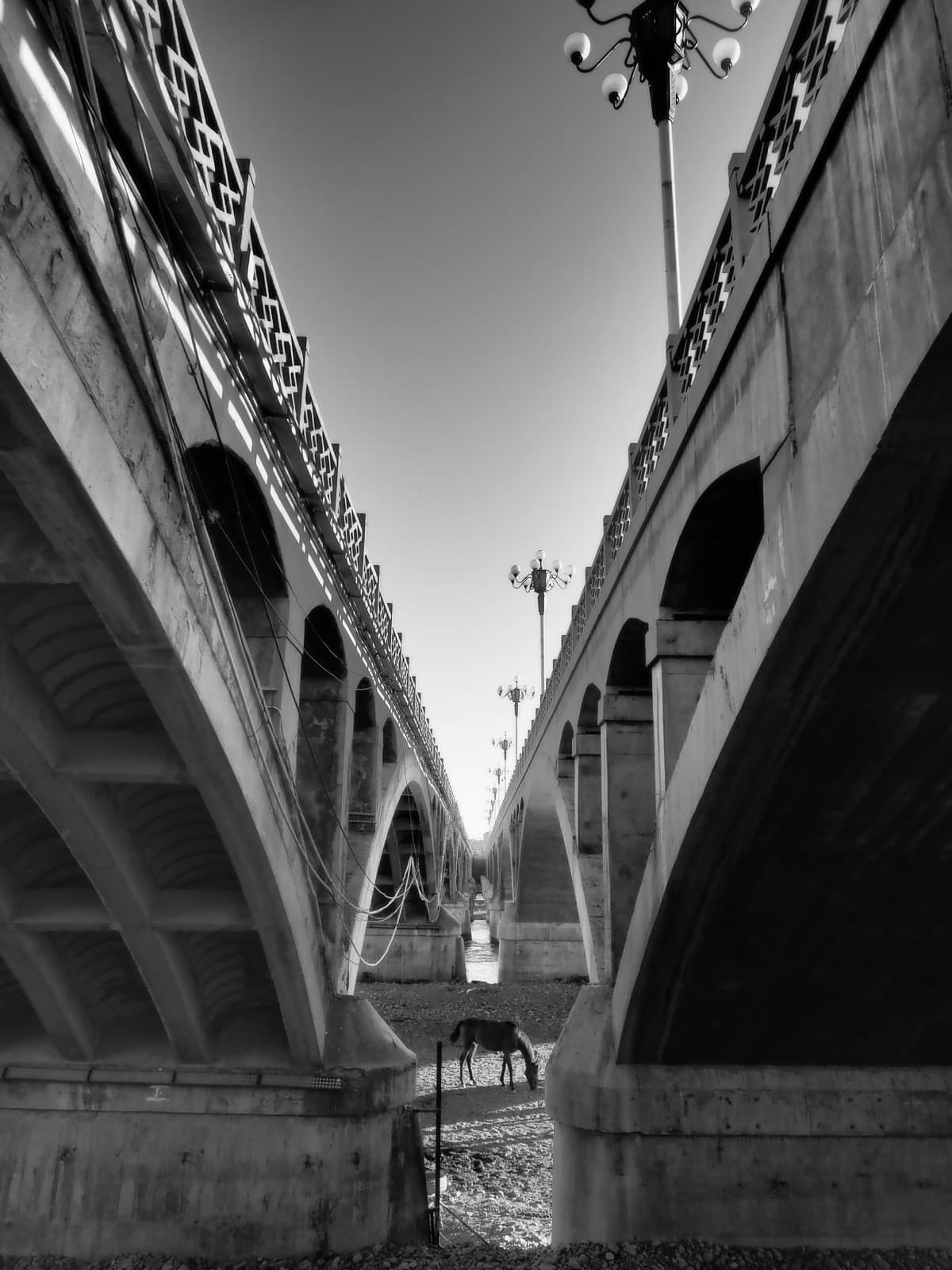
The horses resting in the shadows beneath the bridge
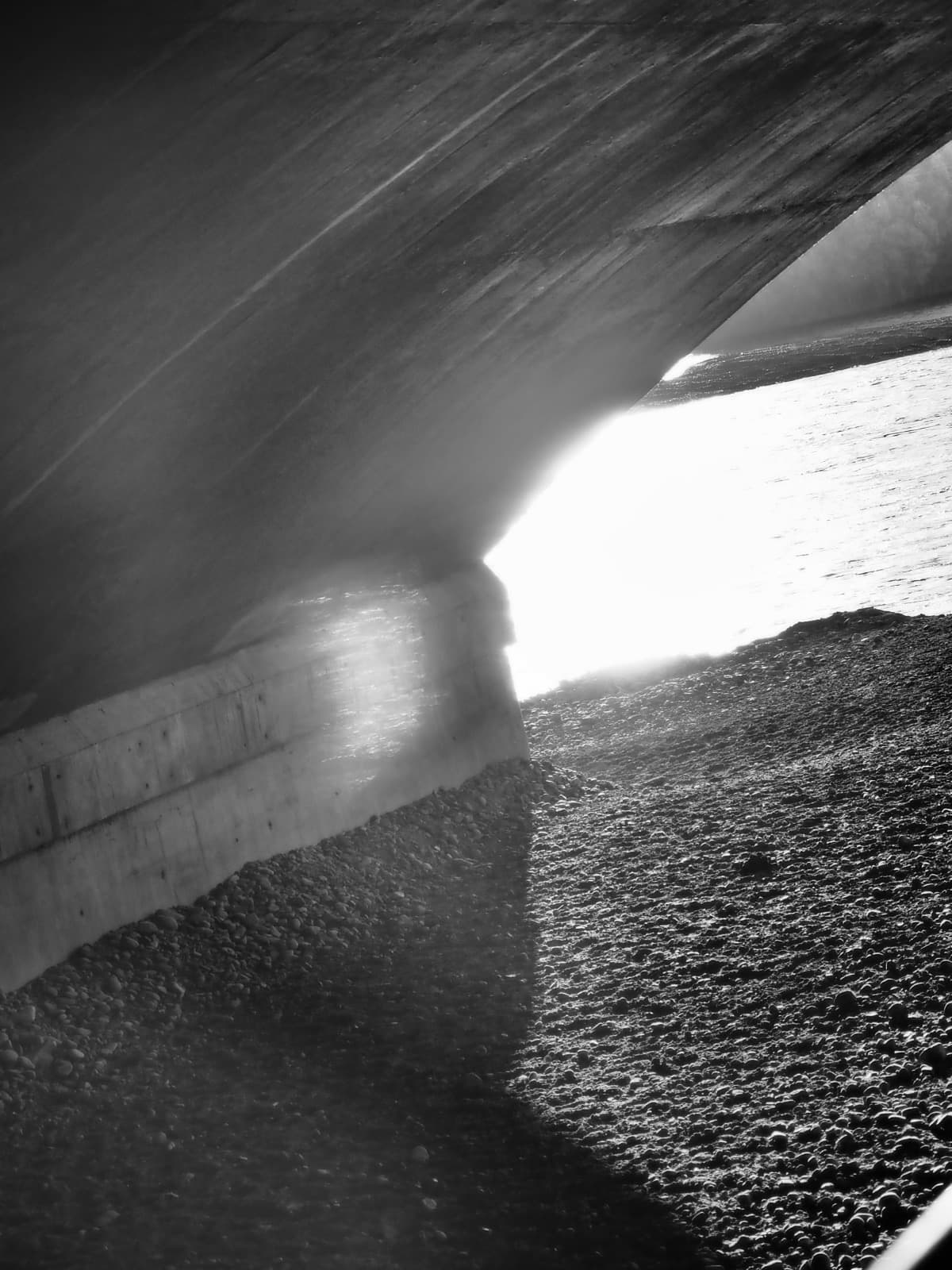
A moody, soft focus shot of the river environment
I shot this with W Film S. It's built on the Dramatic Tone II filter—a black and white recipe with overexposed highlights and an added softness. It’s not grainy, but it’s a bit dreamy and surreal. It matched my exact mood: a scene that shouldn't have color.
Good for: Moody, melancholic scenes, conveying complex or heavy emotions, and places that feel like they have lost their vibrance. Not for: Happy, energetic street scenes, or sharp, highly-detailed architectural documentary shots.
Cerulean 100
When I explored the rest of Ili city, I noticed blue everywhere. The local people believe blue brings them peace, so the buildings are covered in it. Blue is the absolute main character of this city.
I also met a Malaysian traveler named Ah Sing at the hostel, who was on an epic overland route through Nepal, India, Uzbekistan, Kazakhstan, and China. I grabbed some incredible Xinjiang meat with her. But mostly, I spent time resting in the hostel, arranging these photos, and listening to my body. There is no need to overwork on a trip like this.
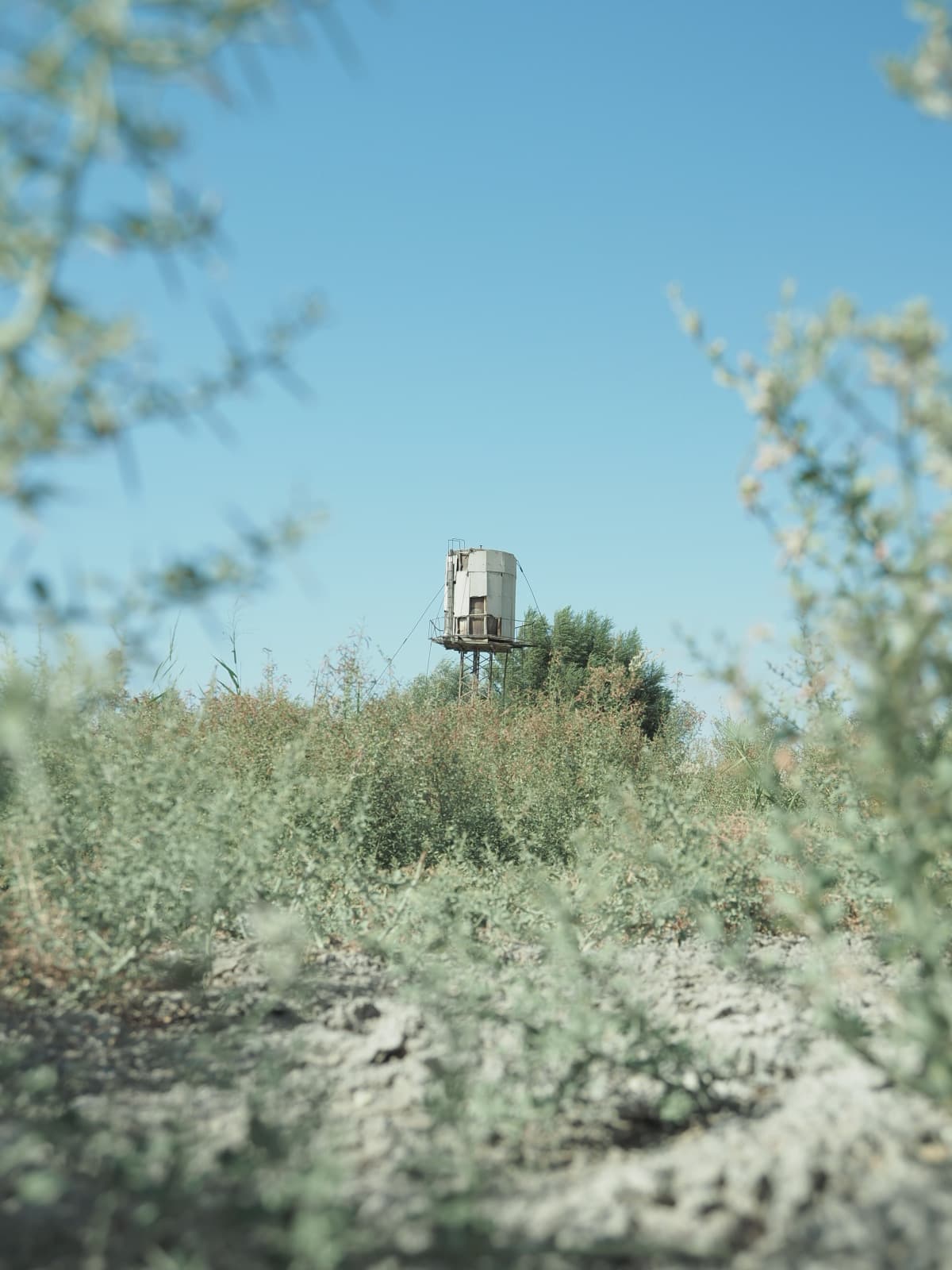
Blue sky
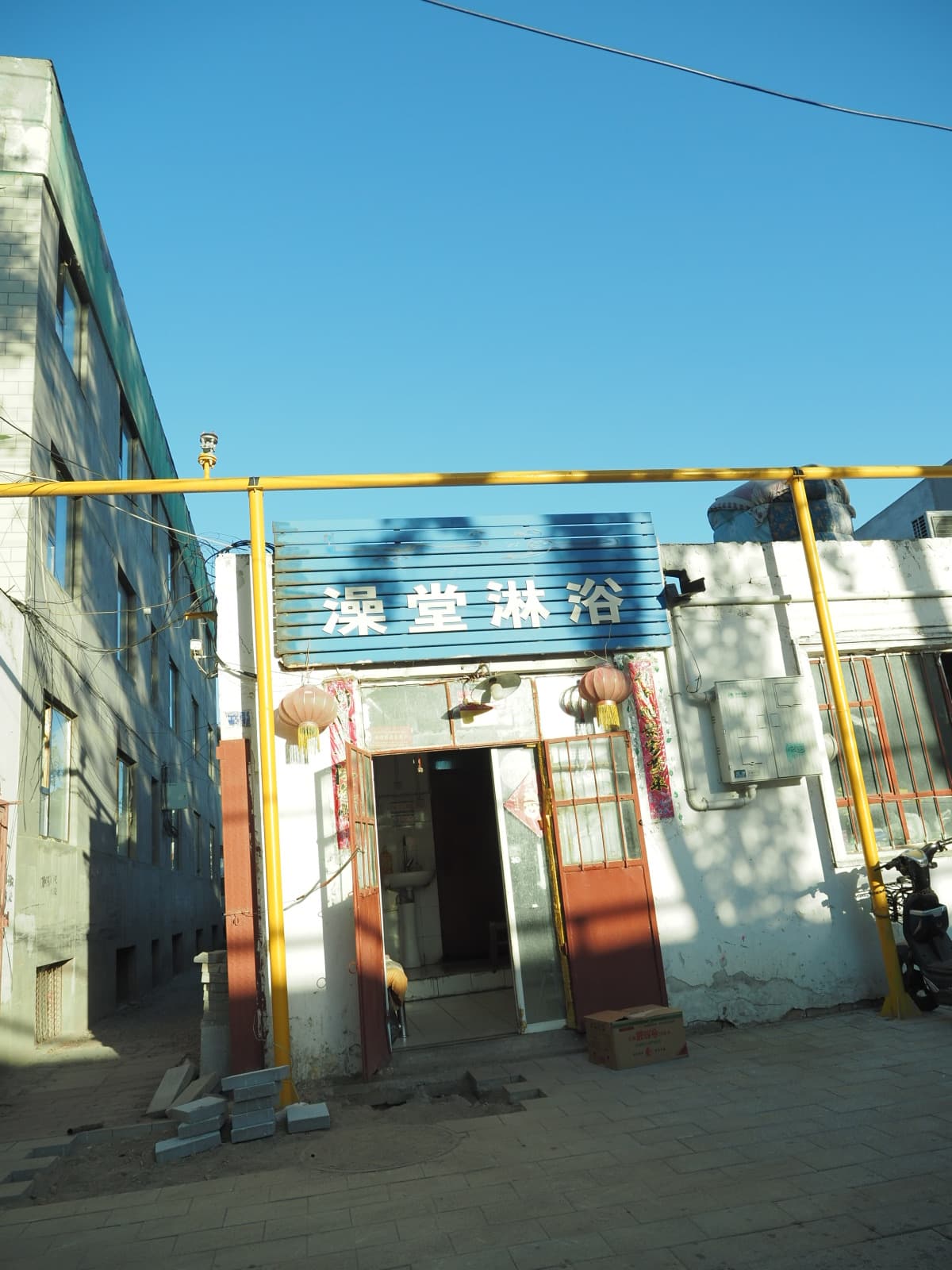
Blue sign board in Ili city
To capture the city, I used Cerulean 100. It uses the Color Creator to perfectly mimic the shade of cerulean, which happens to be my personal favorite blue. It's a less intense, restrained blue that gives the images a very calming effect, matching the peace the locals see in the color.
Good for: Cities with dominant cool tones, skies, blue architecture, and creating a peaceful, tranquil atmosphere. Not for: Warm, golden scenes, red/orange dominant environments, or high-energy, high-contrast street photography.
What's Next
From the rhythmic isolation of the train carriage to the golden bazaars of Urumqi and the peaceful blue streets of Ili, this leg of the journey tested both my camera and my energy. I'm glad I took the time to rest—sometimes the road tells me to slow down, and I just have to listen.
Next in this series: moving deeper into the landscapes of kazakhst… as I continue this 110-day route.